A welcoming desert landscape does more than replace lawn with rock. For a home in St. George, good design brings planting, irrigation, shade, and usable outdoor space together while responding to Southern Utah's dry conditions and summer heat.
Start with how you want the property to work, not a shopping list of materials. Utah Desert Landscape, a family-operated landscaping company based in Ivins and serving Washington County, approaches outdoor planning around the needs of the home and the people using it.
Plan Around Your Property's Conditions
Walk the yard at different times of day and note where sunlight, building shade, and reflected heat fall. A planting bed beside pavement may experience different conditions from one sheltered by the house, even when they are only a short distance apart.
Look at slopes, runoff paths, existing trees, and access to gates or equipment. These details help determine where plants, paths, and gathering areas belong. A coordinated landscape design can connect those decisions before individual features are installed.
- Identify the spaces you will actually use for sitting, play, or entertaining.
- Mark sunny, shaded, exposed, and sheltered areas.
- Note drainage concerns and keep access routes clear.
- Decide which existing landscape features are worth retaining.
- Consider the pruning, cleanup, and irrigation checks you can realistically manage.
Choose Plants by Function and Site Suitability
Instead of selecting plants only for their appearance at purchase, consider mature size, water needs, cold tolerance, and exposure. Southern Utah landscapes must respond to summer heat without overlooking winter conditions. Confirm suitability for the specific site before choosing any variety.
Build Layers Without Crowding
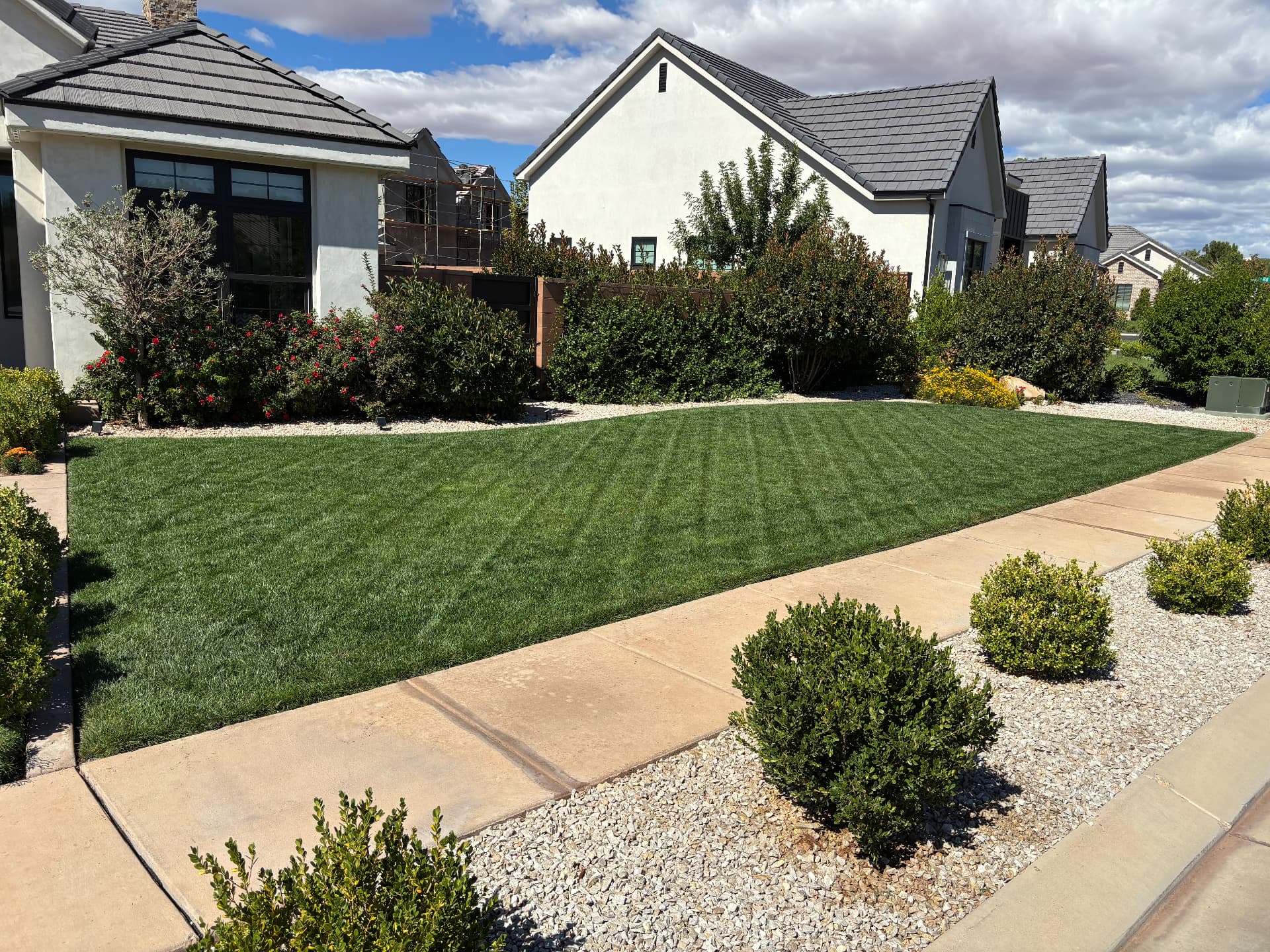
Where space allows, combine appropriately selected shade trees, structural shrubs, and lower-growing accents. Leave room for each plant's mature spread so walkways, windows, and irrigation equipment remain accessible. Repeating a few compatible plant forms can create cohesion without packing every bed with vegetation.
Native and desert-adapted plant categories can provide a useful starting point, but neither label guarantees a match for every yard. Soil drainage, exposure, and maintenance expectations still matter. Group plants with similar watering needs rather than mixing them solely because their colors look good together.
Make Irrigation Part of the Design
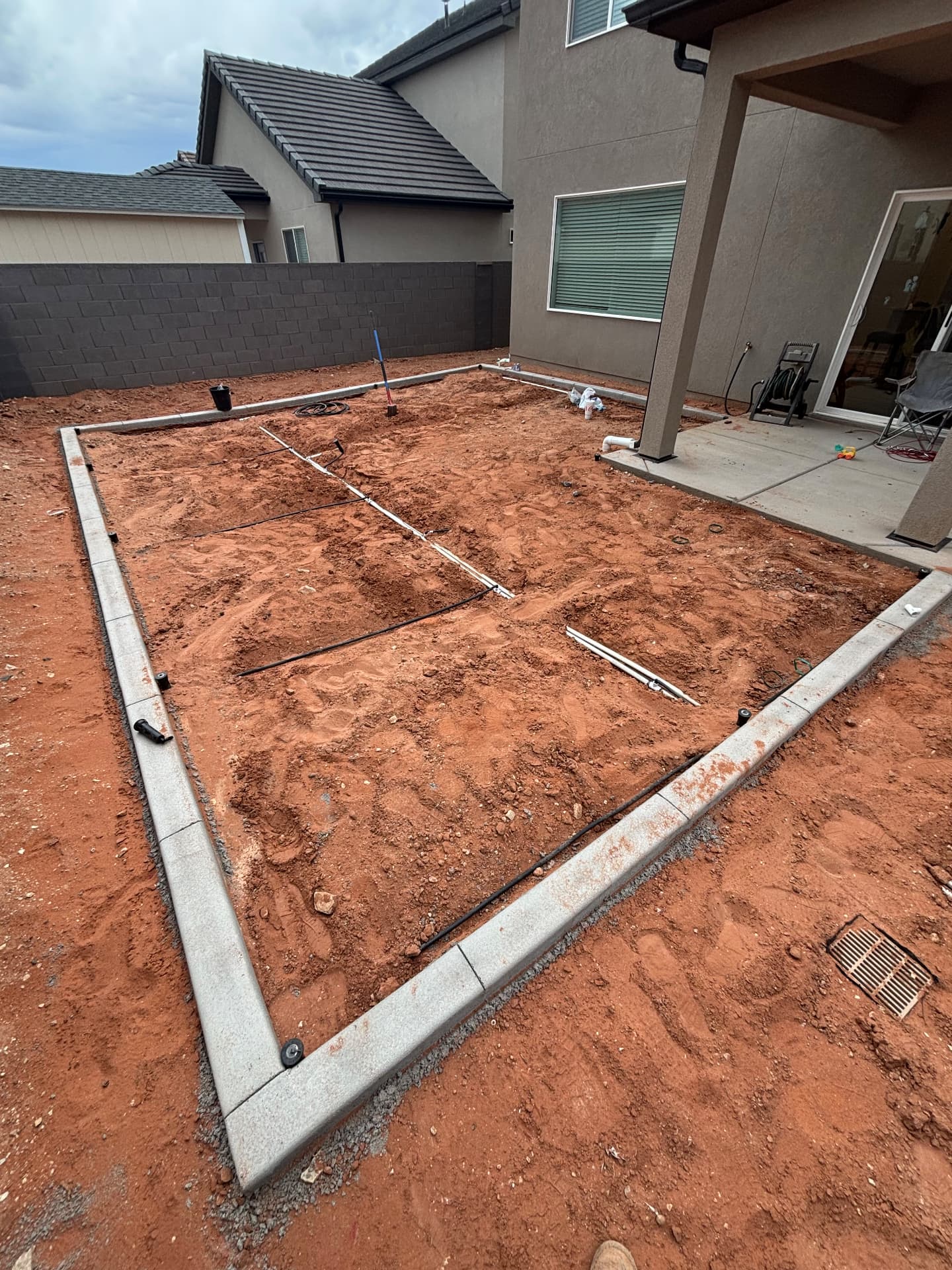
Plan irrigation alongside planting instead of treating it as a finishing detail. Beds and lawn areas often require different watering approaches, and plants with different needs should not be forced onto one schedule. Existing irrigation may need adjustment when the landscape layout changes.
Drip irrigation can deliver water near planted areas when emitters are selected and positioned appropriately. It still needs inspection for leaks, blocked outlets, and changes in plant size. Where lawn remains, sprinkler placement should support even coverage without routinely spraying paving or walls.
Use Hardscaping to Give the Yard Purpose
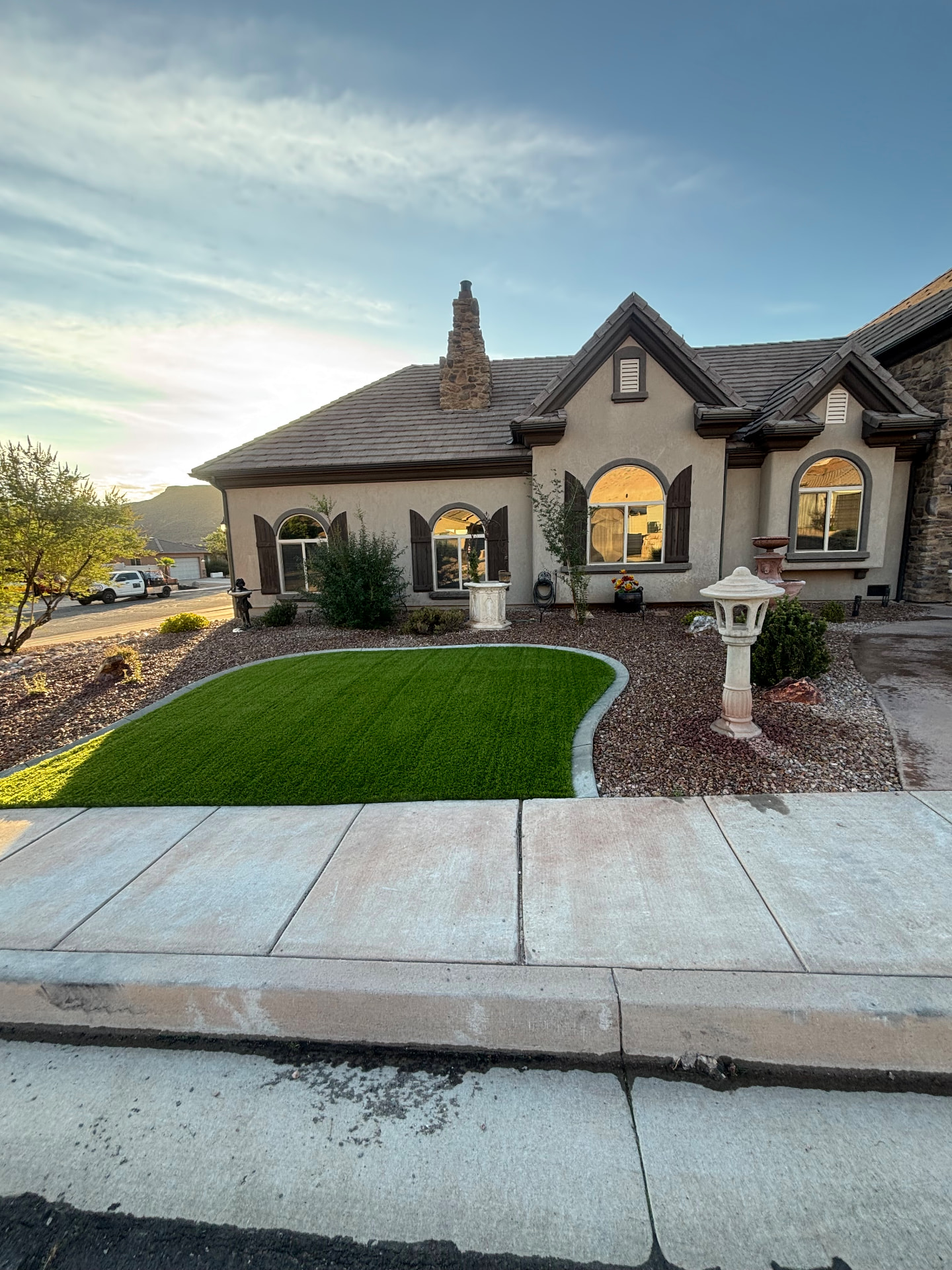
Paths, patios, edging, and rock areas establish the structure of a desert yard. Good hardscaping creates clear routes and usable destinations rather than filling every unplanted space with the same material. Balance hard surfaces with planting so the landscape has texture and visual relief.
Large exposed paved or rock-covered areas can become uncomfortable in direct sun. Consider shade, surface exposure, and the relationship to nearby seating when comparing layouts. Material selection should also account for footing, drainage, maintenance, and transitions between surfaces.
Size Patios Around Real Activities
Lay out furniture dimensions before deciding how much patio you need. Leave comfortable routes around chairs and between the house, grill, and yard. Thoughtful pavers and patios planning helps avoid a beautiful surface that feels awkward once furniture is in place.
Plan the edges of hardscaped areas as carefully as their centers. Keep loose materials from migrating onto walking surfaces, and consider how water will move around the patio and adjacent beds. Discuss grade changes and drainage before choosing finishes, because an attractive surface still needs to function as part of the larger yard.
Create Comfortable Outdoor Spaces
Place seating where it benefits from existing shade or a thoughtfully planned shade feature. Preserve useful views while considering privacy from neighboring windows and streets. A smaller, comfortable gathering area may serve a household better than a larger exposed patio.
Keep practical details visible in the plan, including hose access, equipment routes, and areas needing regular cleanup. Choose landscape elements that support your maintenance preferences rather than assuming a desert yard will require no care. Rocks, plants, paving, and irrigation all need attention.
Start With a Cohesive Landscape Plan
Choose your priorities, document the site's conditions, and review planting, irrigation, and hardscaping together. Whether your home is in St. George, Ivins, Washington, Santa Clara, Hurricane, or La Verkin, those decisions provide a practical starting point for discussing your landscape with Utah Desert Landscape.