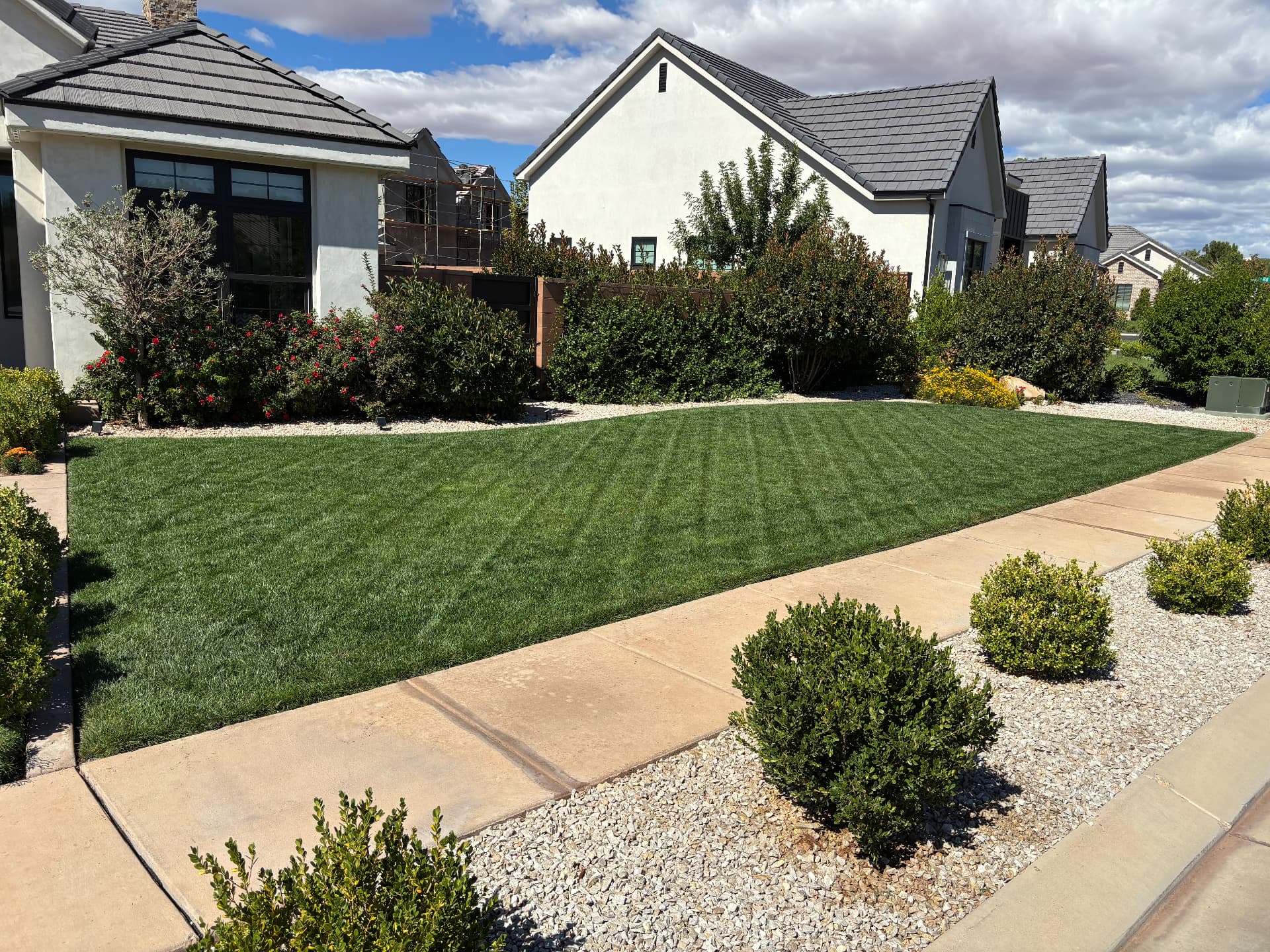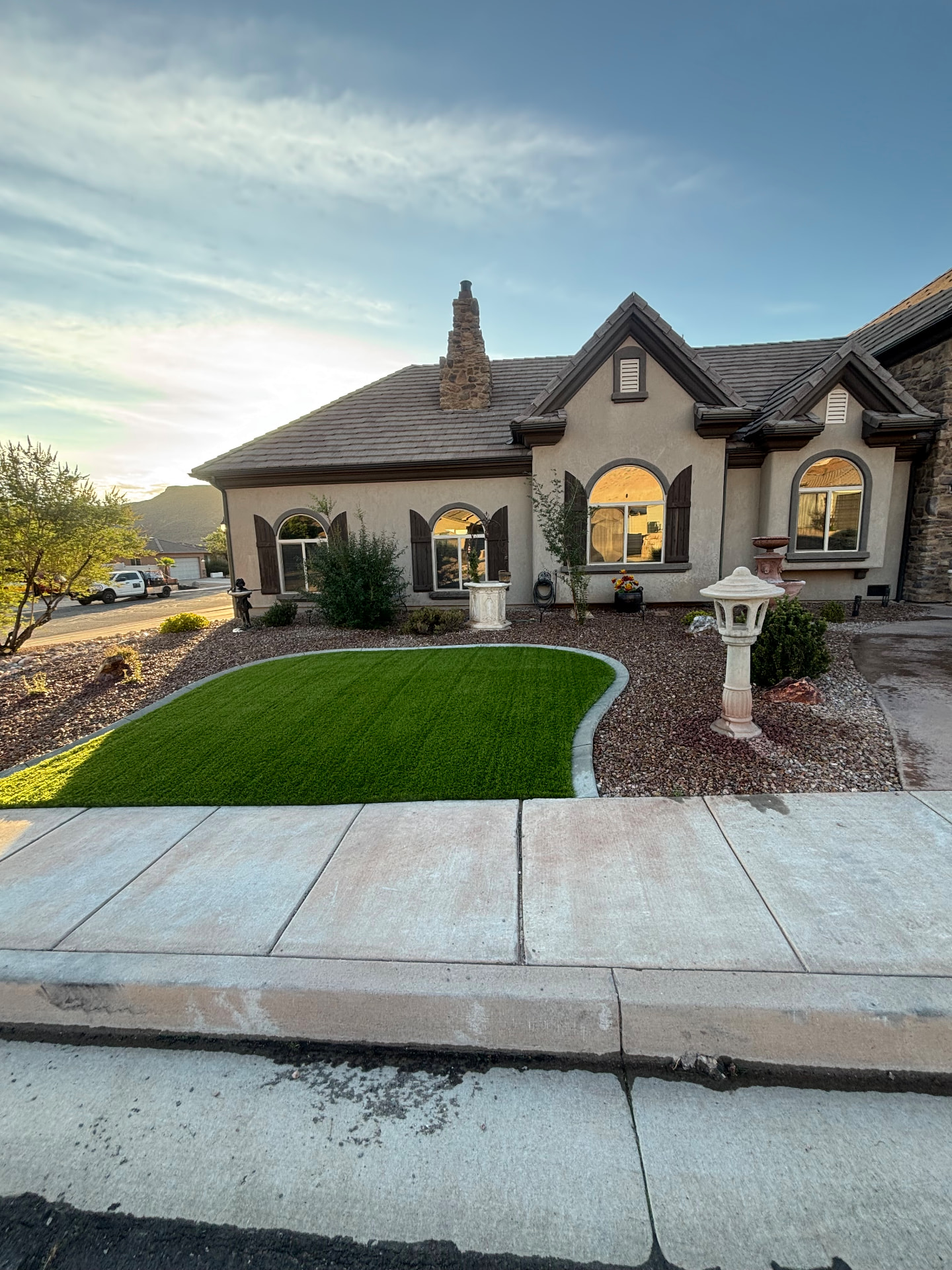
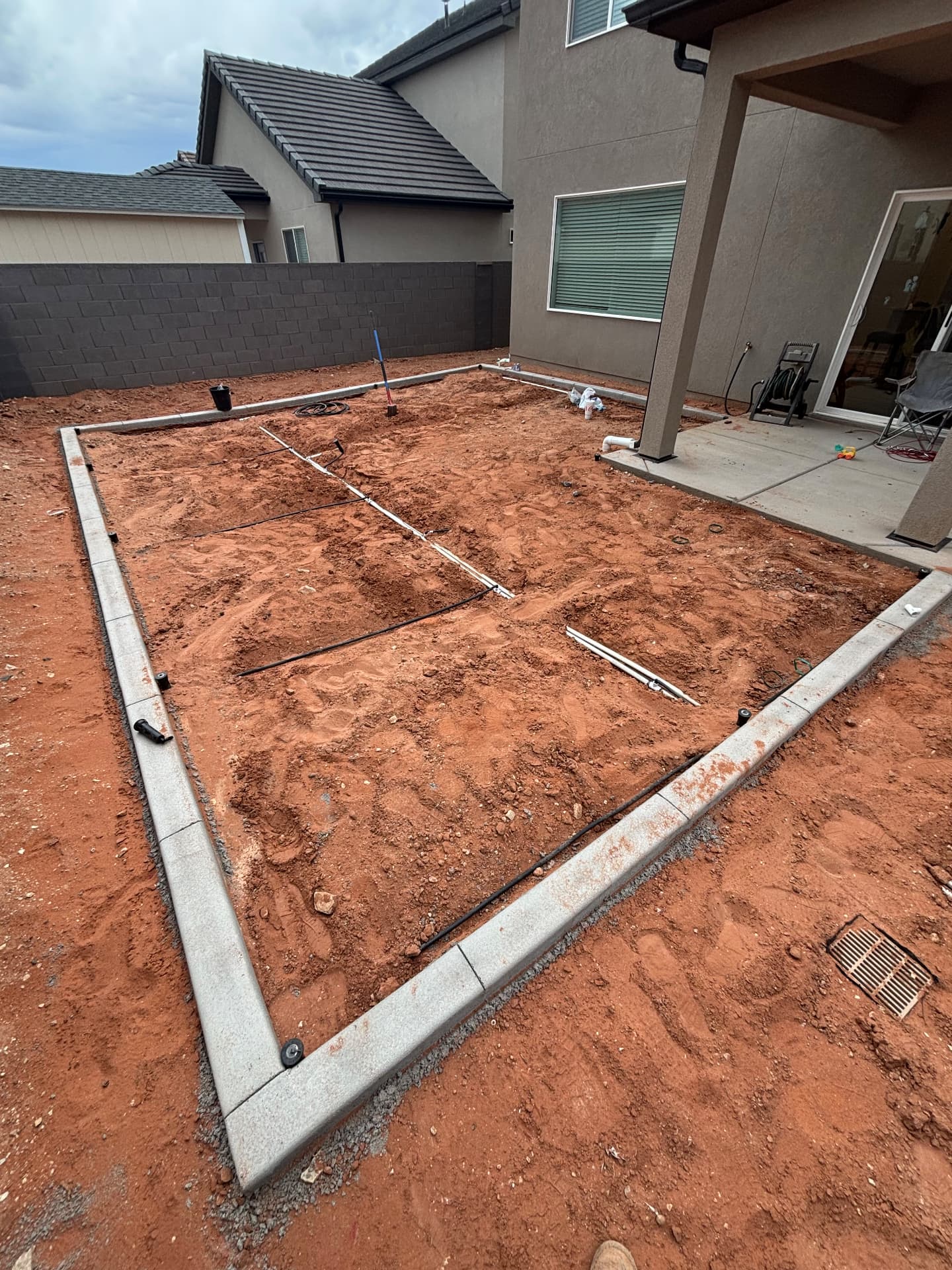
A sprinkler system should fit the landscape it serves, not force every part of the yard onto the same watering schedule. In Southern Utah, exposed lawn, sheltered planting beds, and areas beside hot pavement can behave differently even on one property.
For homeowners in St. George, Ivins, and neighboring Washington County communities, planning starts with understanding those differences. A useful design connects plant needs, soil conditions, available water, and the way your family intends to use the yard.
Start With the Landscape Layout
Sketch existing and proposed lawn, beds, trees, patios, walkways, and access points before choosing sprinkler locations. Include slopes, narrow side yards, shaded corners, and places where water already collects. These details help identify where overhead irrigation makes sense and where another delivery method may fit better.
Coordinate irrigation with landscape design rather than treating it as a separate finishing task. A curved lawn edge, future patio, or enlarged planting bed can change both head placement and piping routes. Resolving these choices together helps avoid installing equipment where the finished landscape will block it.
Group Similar Watering Needs Into Zones
An irrigation zone is a group of outlets controlled together by a valve. Because those outlets operate on the same schedule, they should serve areas with compatible watering needs. Putting turf and a mixed shrub bed on one zone can make it difficult to water either area appropriately.
Separate by Exposure and Delivery Method
Sun, shade, slope, soil, and plant type all influence useful zone boundaries. Sprays and rotors can apply water at different rates, while drip equipment delivers water differently again. Equipment selection and zoning should account for those differences instead of relying on one runtime across the entire yard.
Existing trees also deserve attention when a yard is redesigned. Their root areas may extend beyond the visible planting bed, and their needs may differ from new plants nearby. Discuss how established vegetation will receive water before removing lawn or changing the surrounding irrigation.
Check Water Supply Before Selecting Equipment
A practical plan needs measurements of available pressure and flow, not assumptions based on a strong-looking hose stream. The number and type of heads operating together must fit the supply available under operating conditions. Oversizing a zone can leave coverage weak even when individual components are working.
Have the installer identify connection details, valve locations, controller access, and any applicable requirements for the water connection. Keep valves and service points accessible after planting. Planning access now makes later inspection and adjustments less disruptive to the finished yard.
Design Coverage Around Real Boundaries
Good coverage depends on coordinated head spacing, suitable nozzles, and unobstructed spray patterns. Heads should work together across the intended area rather than simply throw water toward dry-looking spots. Fence lines, corners, and narrow strips need particular attention so water stays off walls and pavement.
Wind can move spray away from its target, and growing plants can eventually block a pattern that looked clear during installation. Consider mature plant size and exposed locations when choosing equipment positions. Do not solve an obstructed or poorly spaced layout simply by increasing watering time.
- Mark lawn edges, planting beds, and hardscape on the same plan.
- Identify areas with different sun exposure, slope, or soil behavior.
- Confirm operating pressure and flow before assigning heads to zones.
- Check that spray patterns avoid buildings, walkways, and neighboring property.
- Leave room to reach valves, filters, and controller equipment.
Plan for Heat Without Guessing at Runtime
Southern Utah heat increases the importance of observing how the landscape responds. A fixed schedule that seems adequate during milder weather may need adjustment as conditions change. At the same time, running every zone longer can create runoff or saturated spots without correcting uneven coverage.
Base adjustments on the plants, moisture in the root area, and the way water enters the soil. Where application exceeds infiltration, appropriately spaced watering cycles may help reduce runoff. Any schedule should also account for current watering guidance from the property’s water provider.
Evaluate Existing Irrigation Before Expanding
An older system may offer usable components, but visible sprinkler operation does not prove it is ready for a larger landscape. Inspect for leaks, damaged heads, blocked nozzles, poor alignment, and areas with inconsistent coverage. Establishing what works helps separate a design limitation from an equipment problem.
If the yard has recurring dry patches or unexplained wet areas, request a sprinkler repair assessment before extending the system. A repair may address a localized issue, while an unsuitable zone layout may require a broader design change. The right choice depends on the actual inspection.
Build a Plan You Can Adjust
Finish with a zone map, clear controller labels, and a walkthrough of how each area is watered. Utah Desert Landscape is a family-operated company based in Ivins, serving Washington County communities. Bring your layout and questions to the planning conversation so the finished system supports the landscape you actually want.