A sprinkler system should deliver water where the landscape needs it, without persistent leaks or missed areas. When performance slips, the right response depends on the cause. A damaged head calls for a different decision than a layout that no longer matches the yard.
For homeowners across Washington County, repair versus replacement is best treated as a diagnosis rather than a guess. Utah Desert Landscape, a family-operated company based in Ivins, can help homeowners consider irrigation problems in the context of their landscape and its watering needs.
Start With the Symptoms You Can Observe
Watch the system operate one zone at a time, from a safe position away from electrical equipment and moving water. Note where water lands, whether heads rise properly, and whether water continues flowing after a zone should have stopped. Record patterns rather than immediately changing every setting.
- Look for pooling, unusually wet soil, or water escaping onto pavement.
- Identify heads that are broken, buried, tilted, or blocked by plants.
- Compare dry areas with sprinkler spray patterns and nearby obstructions.
- Notice weak spray across an entire zone versus one isolated head.
- Check for unexpected controller settings or repeated watering cycles.
- Record whether the same issue returns after previous repairs.
If you see an active leak, stop the affected irrigation using a control or shutoff you know how to operate safely. Avoid digging around utilities or opening electrical components to investigate. A clear description of the symptoms helps a professional begin with the most relevant checks.
When Targeted Sprinkler Repair May Be Enough
An isolated damaged component does not automatically justify replacing the whole system. A broken sprinkler head, obstructed nozzle, or localized pipe leak may be repairable while retaining serviceable equipment elsewhere. The important question is whether the repair restores the zone's intended performance.
Distinguish Component Damage From Design Problems
A tilted head may need repositioning, while a blocked spray pattern may require addressing an obstruction. However, installing a different nozzle without checking compatibility can create a new coverage problem. Professional sprinkler repair should consider the surrounding zone, not just the visibly damaged part.
Controller programming can also contribute to poor results, even when the hardware works. Unnecessary start times or an unsuitable schedule deserve attention before major replacement is considered. Settings should reflect the landscape's needs and actual conditions rather than compensate indefinitely for faulty coverage.
Uneven Coverage Needs More Than Extra Water
Dry patches can come from blocked spray, unsuitable head spacing, pressure problems, or changes to the yard. Simply extending run times may soak already wet areas while leaving the original problem unresolved. Compare the watering pattern with the shape and location of the struggling area.
Not every brown patch is an irrigation failure. Soil conditions, traffic, and lawn health can also affect appearance, so coordinate watering observations with broader lawn care. Confirming the cause helps avoid replacing irrigation equipment that was not responsible for the damage.
When Replacement Deserves a Closer Look
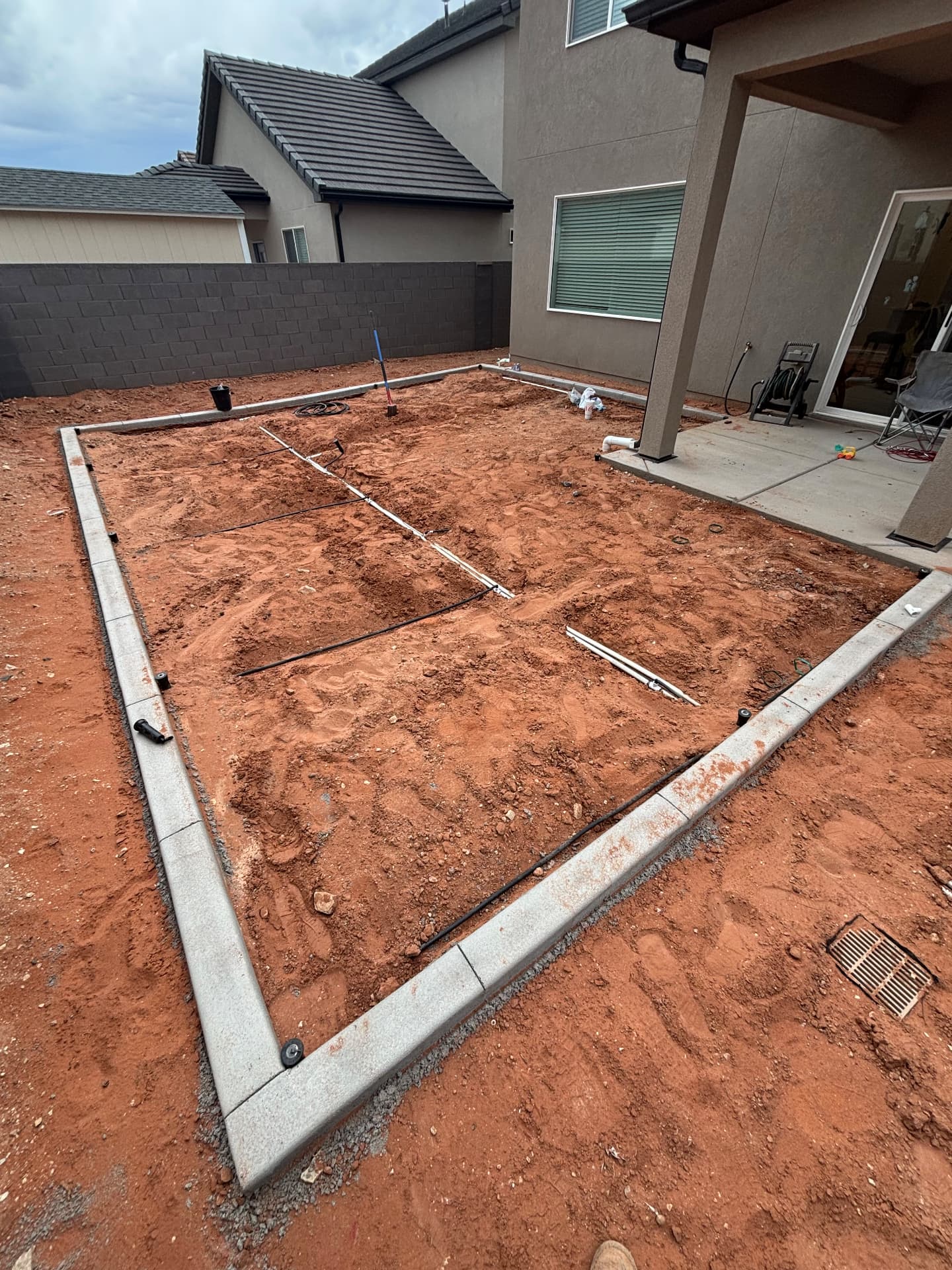
Broader replacement may be worth considering when failures recur throughout the system or the original layout no longer serves the landscape. New patios, expanded beds, or removed lawn can leave sprinklers watering the wrong places. Repeatedly patching individual components cannot correct every design mismatch.
Use Age as Context, Not the Verdict
System age alone does not establish whether replacement is necessary. Older equipment may remain serviceable, while newer equipment can perform poorly if installation or layout is unsuitable. Condition, repair history, component compatibility, and observed performance provide a stronger basis for deciding what to retain.
Replacement also does not have to mean removing everything. An evaluation may identify a zone that needs redesign while other components remain useful. Discuss sprinkler installation options in terms of the specific problems they would solve, rather than assuming a complete new system is the only answer.
Ask for an Evaluation That Explains the Cause
A useful professional evaluation connects visible symptoms with system operation. Depending on the issue, that may involve checking leaks, valve behavior, pressure, head compatibility, coverage, and controller settings. Ask which findings support a repair and which point toward redesign or replacement.
Request a clear explanation of what can stay, what needs attention, and how performance will be checked afterward. Share your plans for changing lawn, beds, or outdoor spaces. Those details help prevent repairing an arrangement that will soon conflict with your intended landscape.
Choose the Smallest Effective Solution
Document the symptoms, address active leaks, and have the underlying cause evaluated before choosing a scope of work. The best decision is the one that restores appropriate watering for your yard, whether that means a focused repair, a redesigned zone, or broader replacement.